Brief
Use, size, market and quantity.
DirectionFAMILY MANUFACTURING BASE · BOBAI, GUANGXI
From material review to export packing, the important decisions stay visible before release.
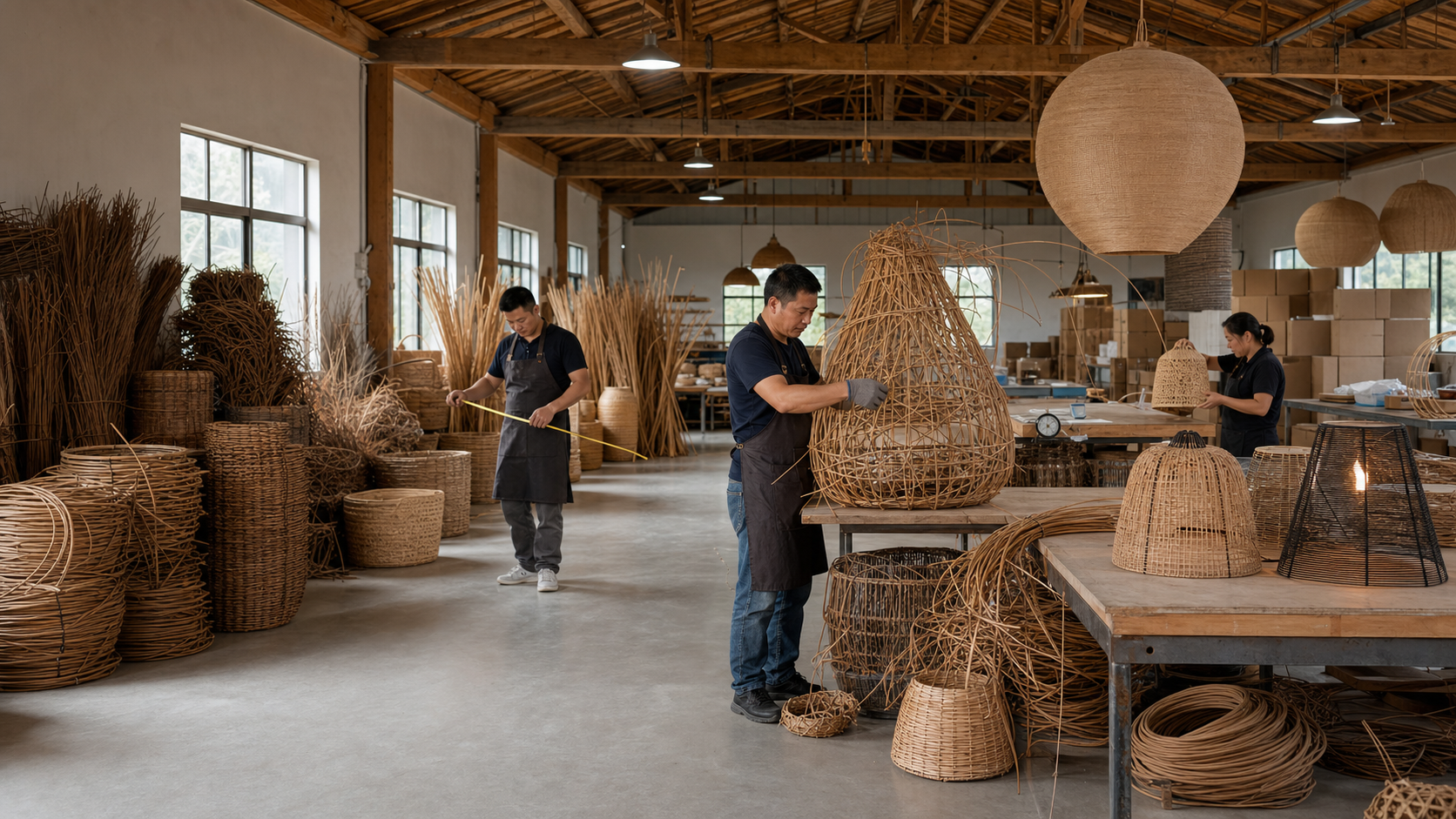
Wicker is shaped by material judgment, tension, rhythm and experience.
“Every collection begins with a conversation about how it should feel and perform.”
BOBAI · GUANGXIREAL CRAFT PROCESS
BOBAI CRAFTSMANSHIP
Handmade character matters. So does a clear reference for material, form and finish before production begins.
Structure, surface and intended use guide the material choice.
A confirmed reference keeps handmade production aligned.
Important details are reviewed before the order moves forward.
Five visible stages.
Use, size, market and quantity.
DirectionFrame, weave and packing.
ReviewProduce to agreed details.
ProductionDimensions and finish.
InspectionProtection and loading.
ShipmentHandmade character is protected by making the critical requirements visible: what must be measured, what should be judged visually, and what must be confirmed by the buyer.
Material type, color range, usable quality and the visual character expected for the collection.
Overall measurements, critical openings, balance, functional structure and model-specific tolerances.
Density, rhythm, joins, edge treatment, finish and the boundary between natural variation and defect.
Fittings, textiles, cable direction, labels, logo placement and any buyer-supplied components.
Complete product view, stability, intended use, assortment consistency and buyer inspection points.
Pressure protection, nesting, inner materials, quantity per carton, marks and handling direction.
VISUAL PROCESS GUIDE · 01—06
Each view answers one practical production question: where the work happens, how cane is shaped and woven, how materials are prepared, and how finished pieces are checked and protected.
MANUFACTURING SNAPSHOT
Manufacturing roots since 2005 at the family-operated manufacturing base.
Operating footprint covering production, storage, staff and support areas, and ongoing site development.
Core employees supporting daily operations.
People in the local home-based weaving network during normal periods.
Peak flexible weaving participation—not full-time factory employees.
Supporting in-process and final quality checks.
Rattan and wicker, bamboo, natural grasses and fibers, paper rope, corn rope, metal and iron, wood, resin and glass.
Development can begin from drawings, photos or physical samples. Project options may include size, color, material, weaving structure, accessories, logo, hangtags, packaging, private-label requirements and new product development.
Factory visits can be arranged for qualified projects by appointment.
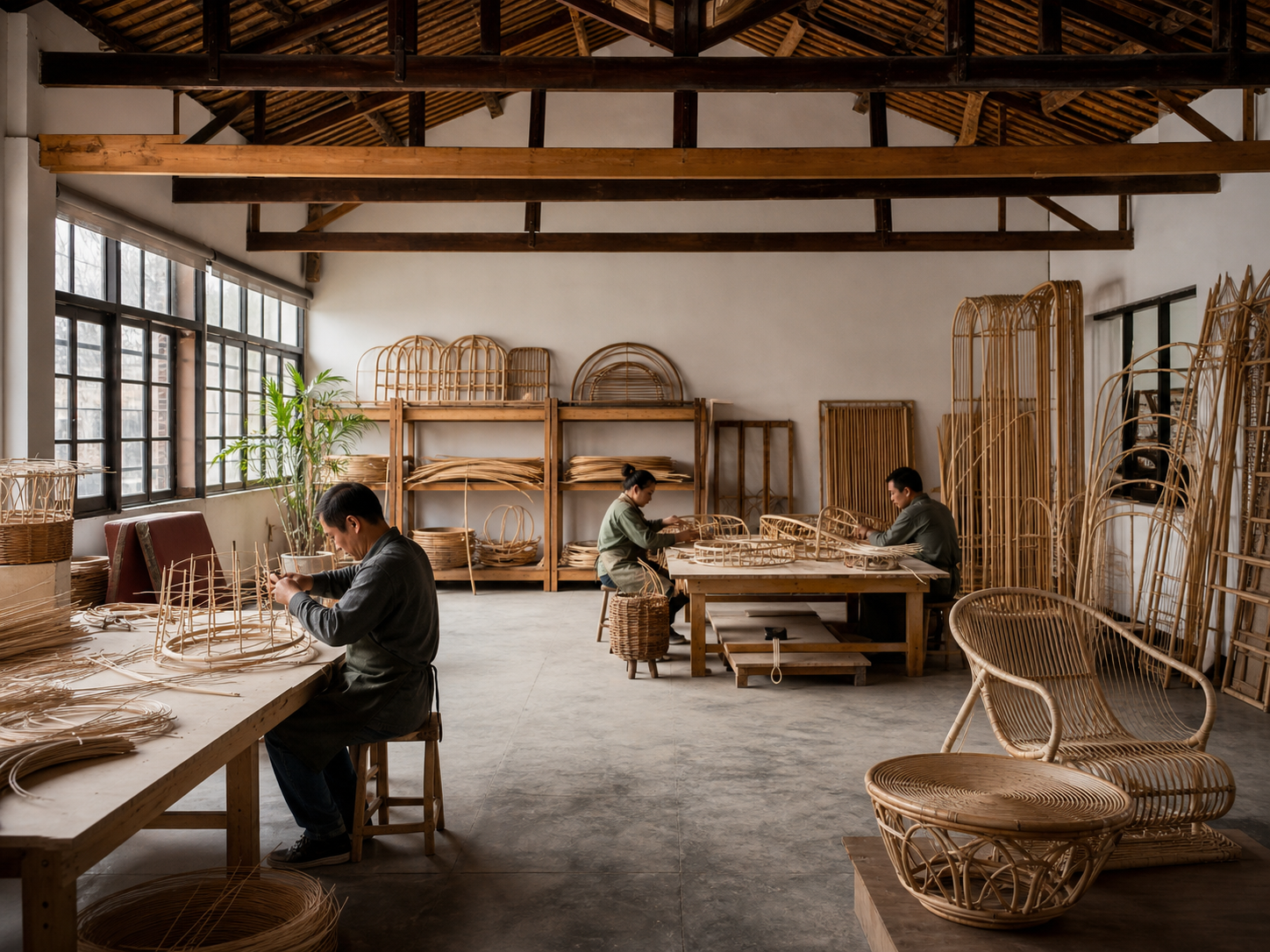
Where active making and daily coordination take place.
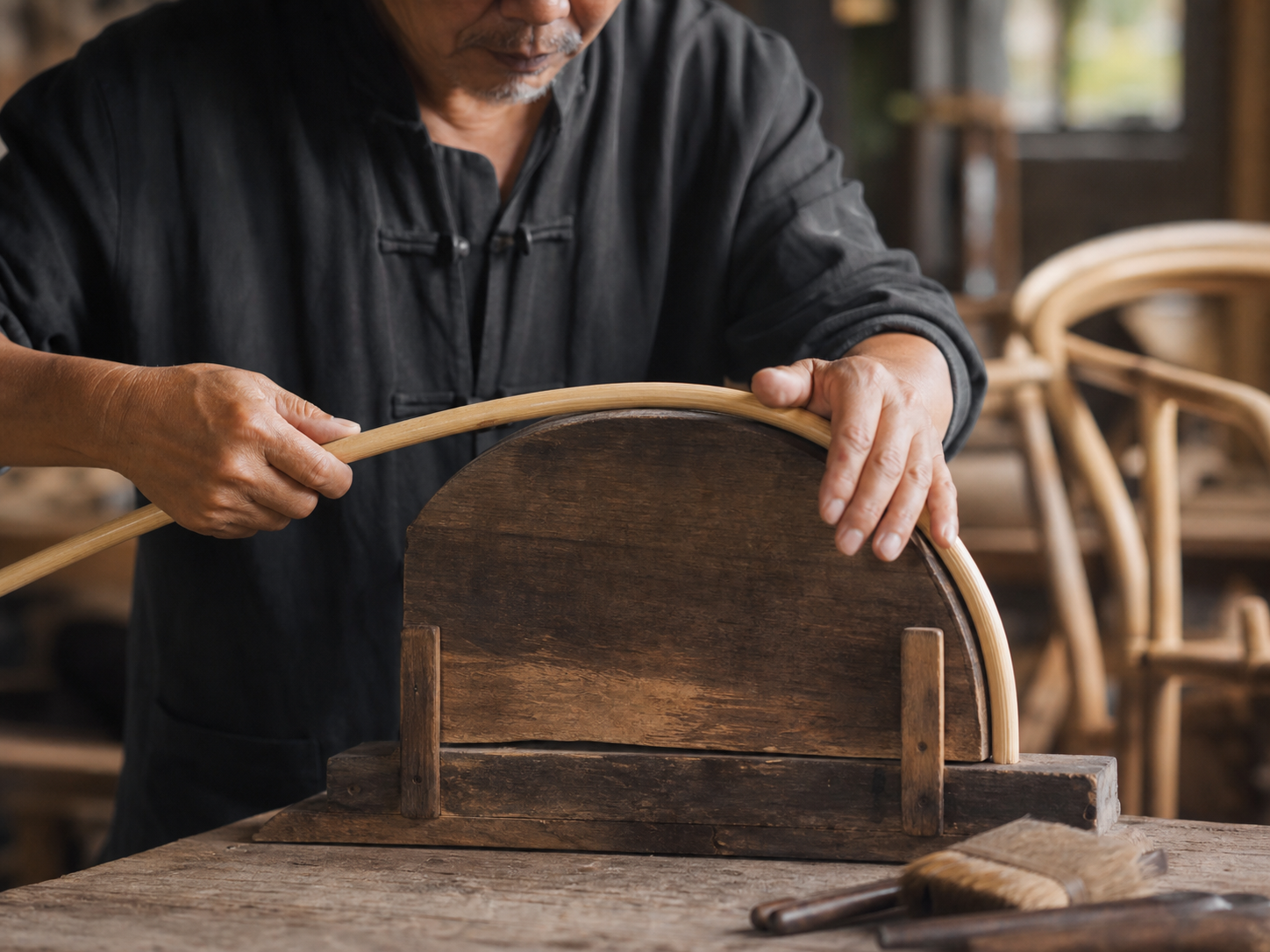
Curves are guided around a jig before assembly.
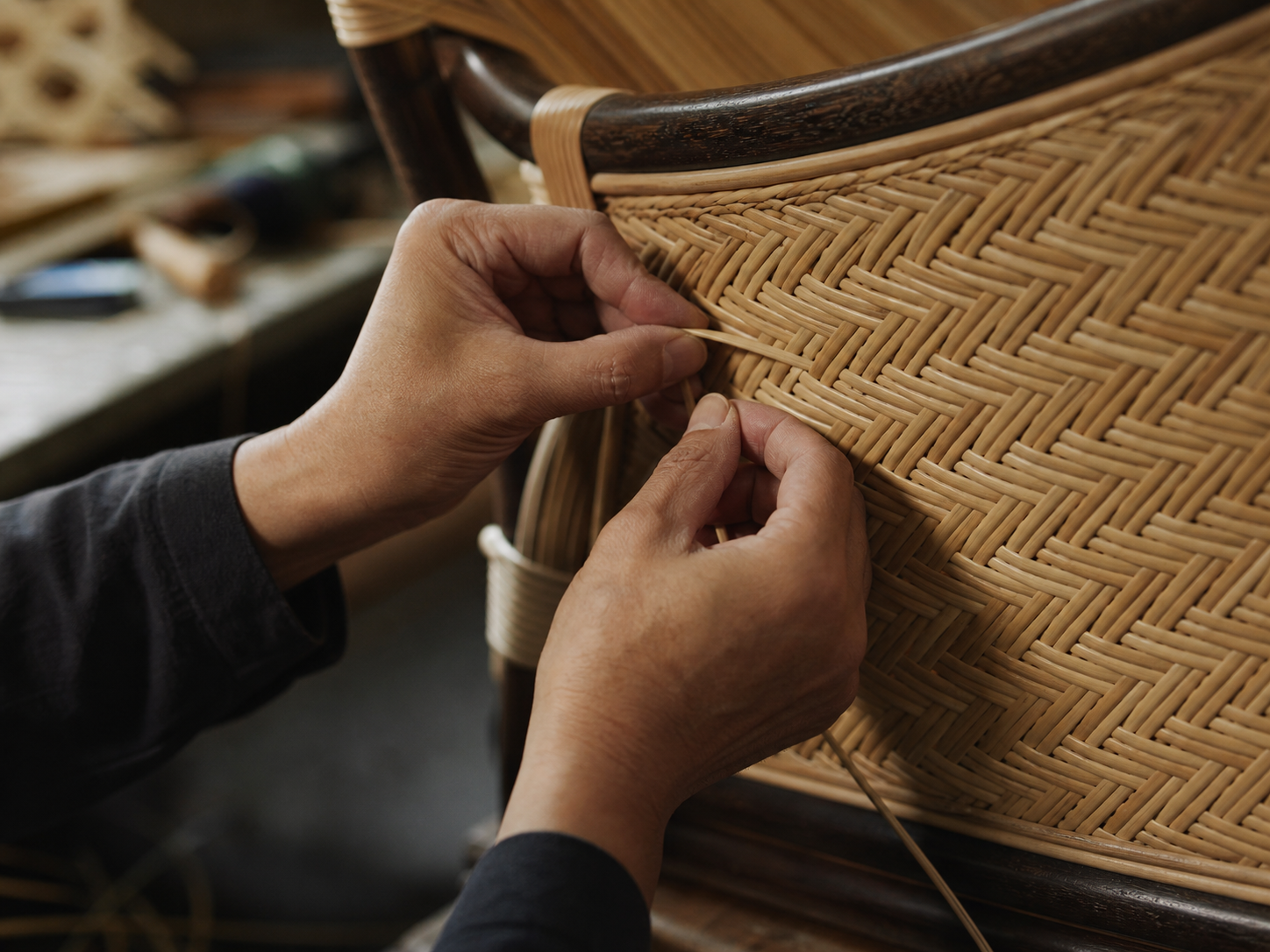
Each strand is placed to keep the surface consistent.
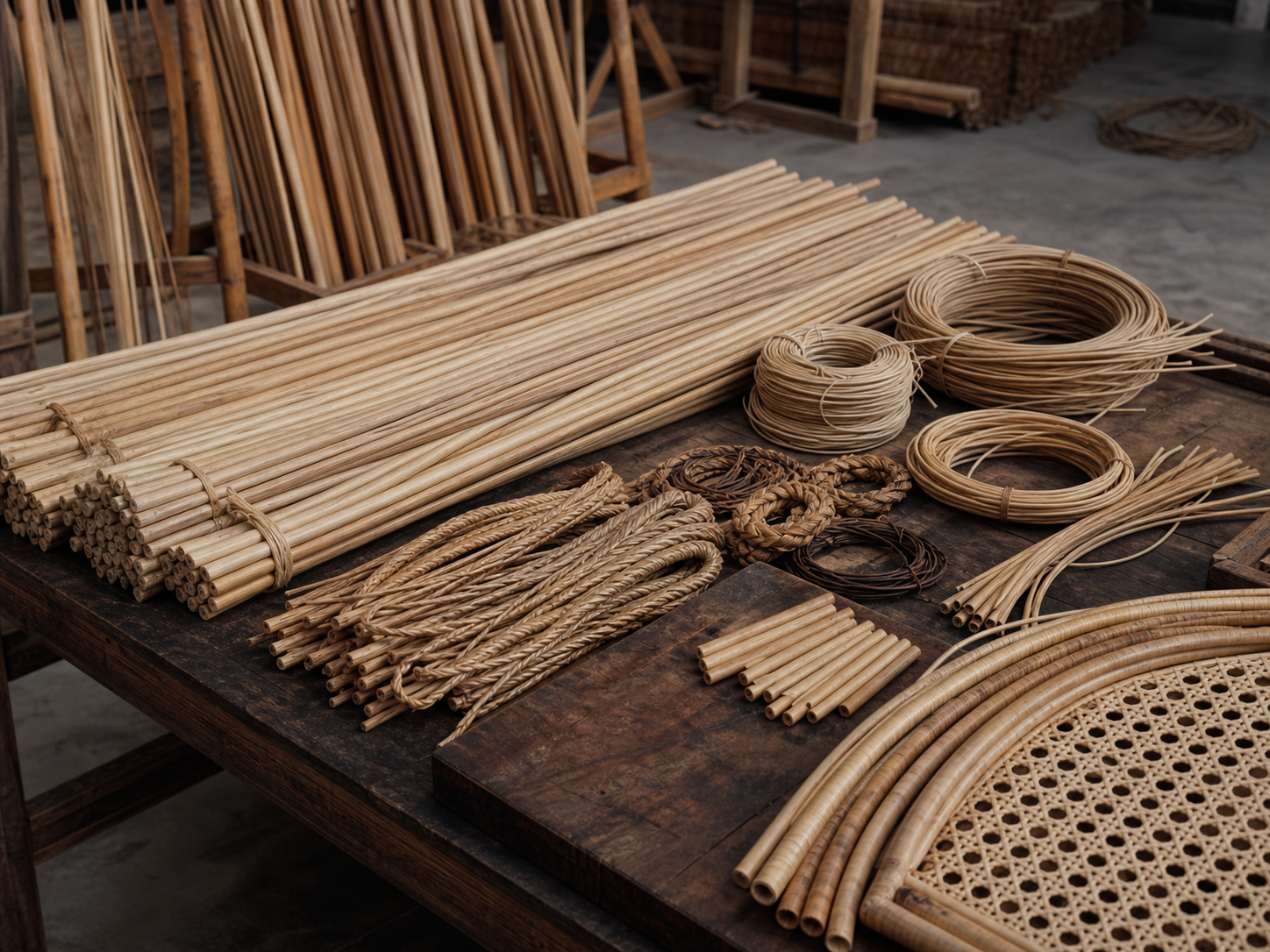
Diameters and binding material are organized by use.

Structure, edges and visible details are checked.
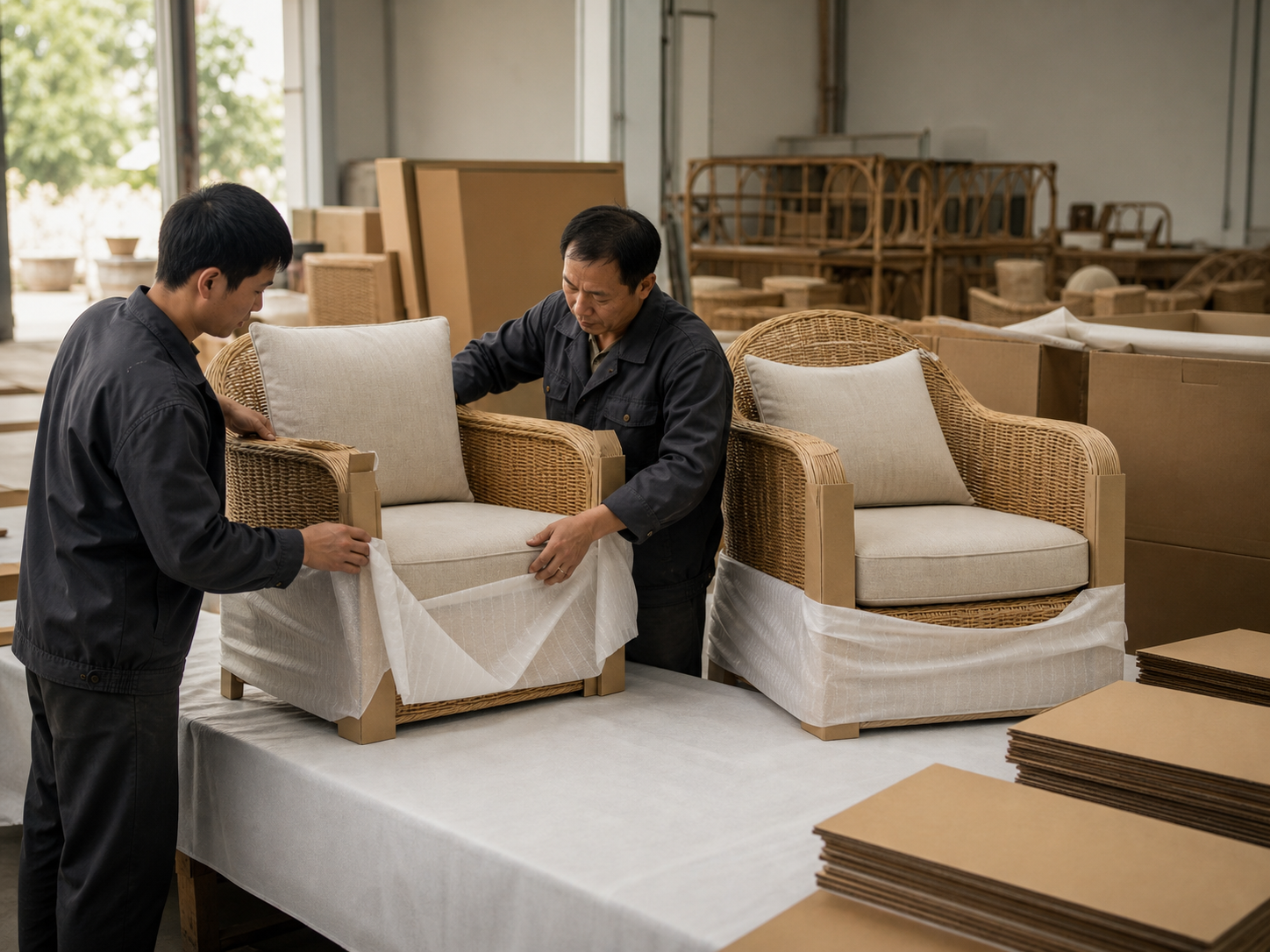
Finished pieces receive organized transit protection.
A website photograph creates context. Product-specific records create confidence. The exact package depends on the order, inspection route and confidentiality agreement.
Material type, visible color range, usable quality and batch direction.
PHOTO + NOTECritical measurements, openings, support, balance and tolerance direction.
MEASURE + RECORDDensity, joins, edge treatment, surface character and handmade variation.
REFERENCE + COMPAREAppearance, function, stability, components, branding and assortment consistency.
CHECKLIST + RESULTInner support, nesting pressure, carton logic, marks and unpacking direction.
TRIAL + APPROVALAgreed inspection, carton count, loading context and required documents.
VERIFY + RELEASEProduction-context media supports the discussion; model-specific specifications, capacity, certificates and shipment records remain subject to written project confirmation.
Add evidence needs to briefInspection direction varies by product and market.
Share requirementsMeasurement and tolerance.
Stability and function.
Weave, color and finish.
Fittings and logos.
Protection and marks.
Buyer testing needs.
Export planning is product-specific. The aim is to balance form protection, carton volume, handling, labeling and the buyer's receiving process.
Identify rims, handles, corners, fittings and open weave areas.
Define wrapping, separators, supports and moisture direction.
Confirm nesting, quantity per carton, marks and presentation.
Align buyer, internal or third-party inspection requirements.
Review mixed SKUs, pallet needs and shipment documents.
MOQ, lead time, packing specification, port, Incoterm and payment terms are confirmed by quotation—not by a general website promise.
Open Trade & Shipment →